Negative Gauge Pressure is the difference in pressure between any vacuum and atmospheric pressure.
The maximum possible negative gauge pressure is always limited by the current ambient atmospheric pressure, which constantly varies, but is typically around 1 bar absolute.
Featured negative gauge pressure measurement products
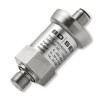
Landfill biogas extraction well depressure pressure transmitter - Ensure efficient biogas extraction and safe operation in hazardous landfill environments with the DMP331 pressure transmitter. This intrinsically safe device accurately measures depressure in extraction wells, contributing to optimized gas collection and environmental protection.
Solvent tank nitrogen blanketing monitoring with all welded IS/SIL2 bidirectional pressure transmitter - Discover a solution for measuring low nitrogen blanket pressure in flammable solvent tanks. This application story details the use of an all-welded, intrinsically safe pressure transmitter with SIL2 certification to ensure chemical compatibility with acetone and alcohols in a Zone 0 environment.
Related Technical Terms
Related Product and Application Guides

Related Help Guides
- Measuring vacuum with negative gauge or absolute ranges
- What is the difference between vacuum and absolute pressure
- What does negative and positive gauge pressure mean
- Measuring negative pressure using a positive differential pressure range
- Measuring vacuum as a negative gauge pressure using a dp sensor